
The Unseen Tenant
Picture Spain in the 16th century. Life was hard. Food was not always plentiful. People worked long hours under the sun.
Many things confused them. Sickness, hunger, the sudden aches and pains. They needed explanations. And sometimes, those explanations were a little… strange.
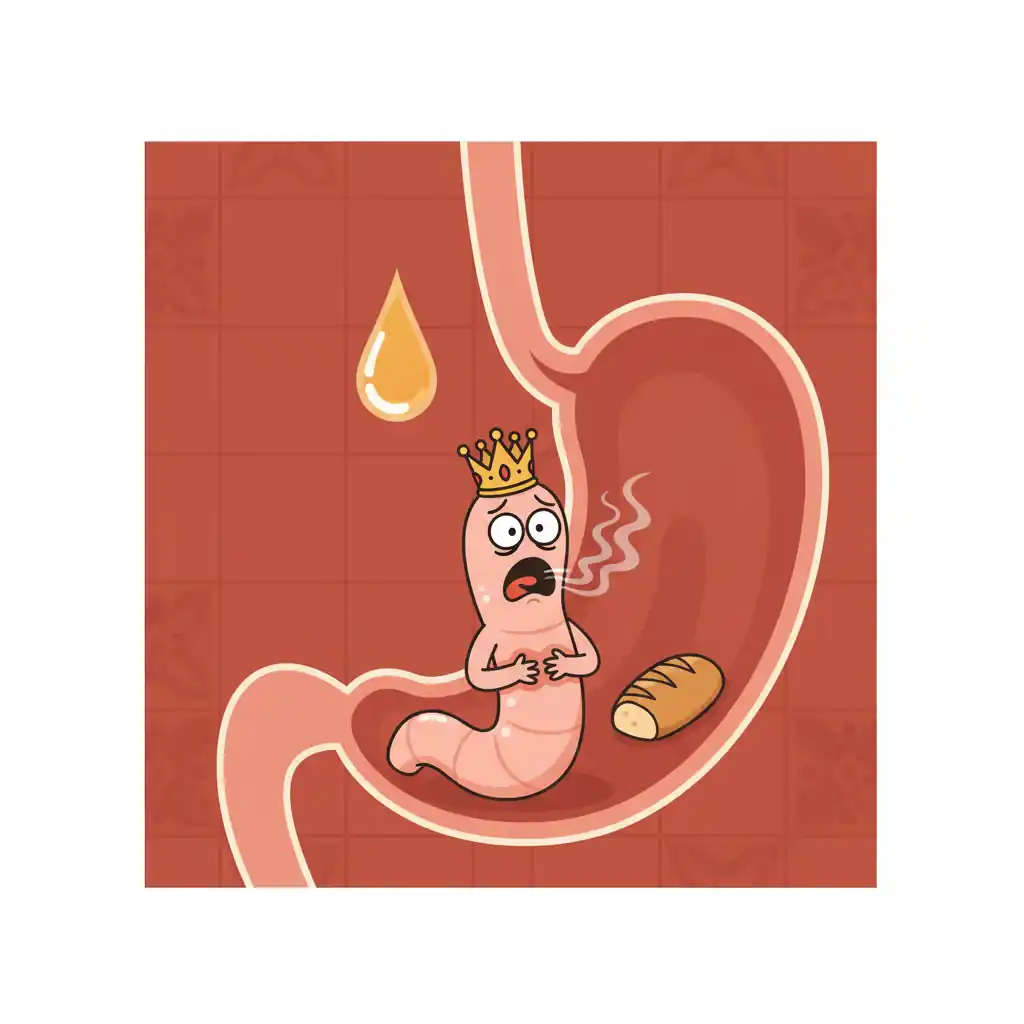
One popular belief was about a 'gusanillo'. A little worm. Not a visible worm, mind you. This one lived deep inside your stomach.
It was a tiny, invisible tenant. It slept for a while, but then it woke up. And when it woke, it was hungry.
Its hunger was your hunger. It gnawed and it twisted. It sent sharp pangs through your belly, demanding sustenance.
This 'gusanillo' was responsible for that terrible, empty feeling. That rumbling protest your stomach made an hour or two after breakfast.
It explained why you felt so weak and irritable. The worm was active. It was demanding. It had to be dealt with.
This wasn't just a quaint saying. Many genuinely believed this little internal creature was the source of their mid-morning hunger.
It was a simple, easy-to-understand reason for a complex bodily function. And it needed a strong, decisive solution.
The Spirited Remedy
If a worm was causing the trouble, what did you do? You 'killed' it, of course. Or at least you tried to calm it down.
The chosen weapon for this internal battle was aguardiente. A strong, clear brandy. 'Firewater,' as some called it.
It was a common drink. Cheap. Readily available. And it certainly made you feel something.
The ritual was specific: a small glass of aguardiente. First thing in the morning. On an empty stomach.
The burning sensation as it went down was interpreted as the aguardiente doing its work. It was driving away the cold, the weakness. It was attacking the gusanillo head-on.
People felt warmth spread through their stomach. Their hunger pangs seemed to lessen. Their spirits lifted, if only for a short time.
The effect wasn't due to actually 'killing' a worm, of course. Alcohol can numb the senses. It can provide a temporary burst of energy. It dulls the sharpness of hunger.
But for the people of 16th-century Spain, the logic was clear. The aguardiente hit the spot. It silenced the gusanillo. It gave them the strength to continue their day until the next meal.
It became a widespread morning practice. A necessary step before the day's hard labor truly began. You couldn't work with a hungry worm gnawing at you.
A Kinder Cure
Centuries passed. Spain modernized. Medical knowledge advanced. The idea of a literal hunger worm faded from serious belief.