
The Path to Sainthood
For centuries, the Catholic Church has held a sacred process: declaring someone a saint. It's not a decision made lightly. Saints are held up as examples of faith and virtue, intercessors in heaven.
To become a saint, a person usually needed a life of exceptional holiness and proof of miracles. The Church had to be absolutely sure. A false saint could confuse believers and weaken the Church’s authority.
Early on, local bishops sometimes declared saints based on local devotion. But as the Church grew, the process needed more rigor. Rome wanted central control and ironclad certainty.
A Role for Doubt
By the 16th century, the process of canonization became highly formalized. A special court was established to investigate candidates. Testimonies were gathered, lives were scrutinized, and miracles were examined under a magnifying glass.
But a problem remained. Everyone involved often wanted the candidate to become a saint. This created a risk of bias. Who would challenge the stories? Who would dare question the 'obvious' holiness?
The Church needed someone to play the role of skeptic. Not to be malicious, but to ensure the candidate's claims could withstand the strongest possible opposition. This was about truth, not popularity.
The Promotor Fidei
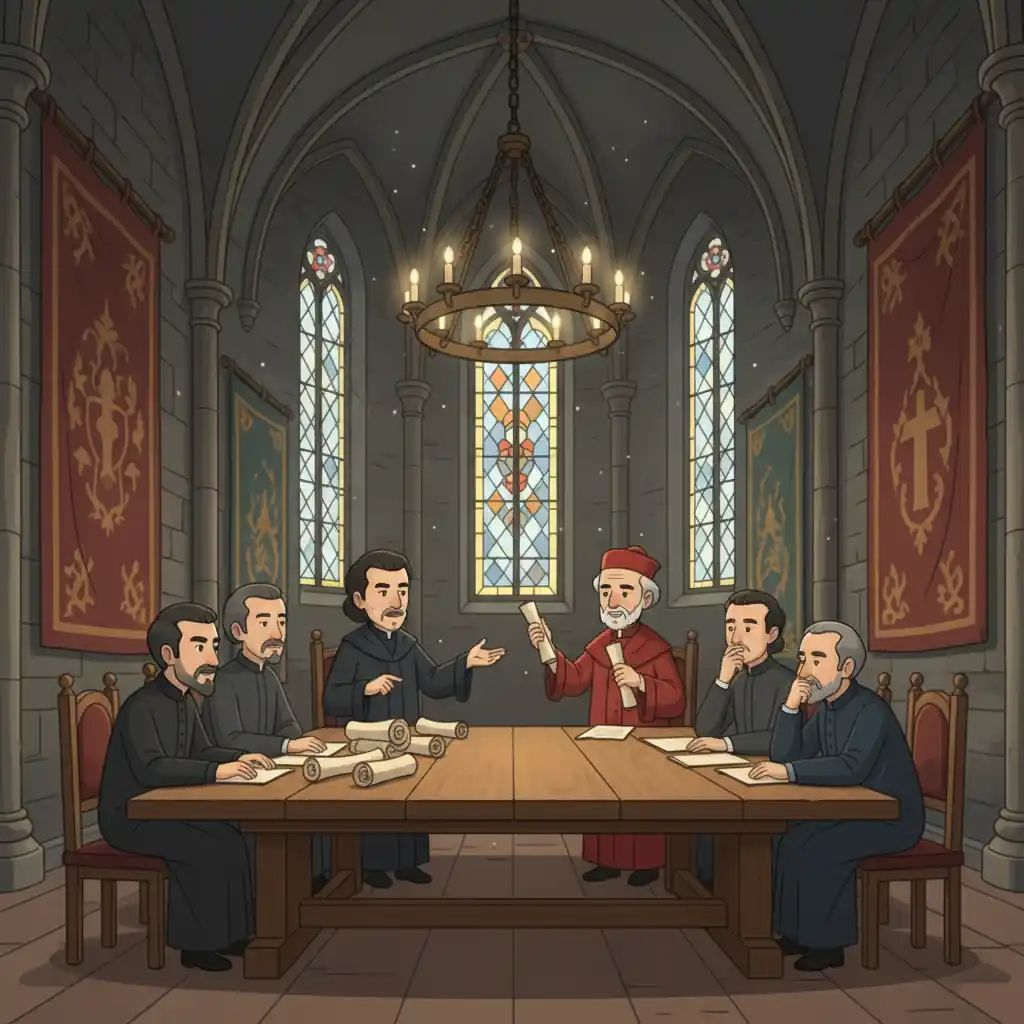
In 1587, Pope Sixtus V formalized a new position. He created the role of the 'Promotor Fidei.' In English, this meant 'Promoter of the Faith.' But people quickly gave it a far more dramatic nickname: 'the Devil’s Advocate.'
This official had a clear, difficult job. Their task was to argue against the canonization of the candidate. They had to find flaws, question testimonies, dispute alleged miracles, and point out any human failings.
The Devil’s Advocate would meticulously search for inconsistencies. They would bring up any evidence that suggested the candidate was not as holy as presented. They would challenge every single claim, no matter how beloved the candidate.