Accidental Inventions
The world's greatest 'Oops' moments!
Did you know the microwave was invented by a melted candy bar? Or that Play-Doh used to be wallpaper cleaner? Sometimes, the biggest mistakes lead to the best inventions. This series explores the 'Happy Accidents' of history, showing how curiosity and a little bit of luck changed the way we live, eat, and play.
Topics
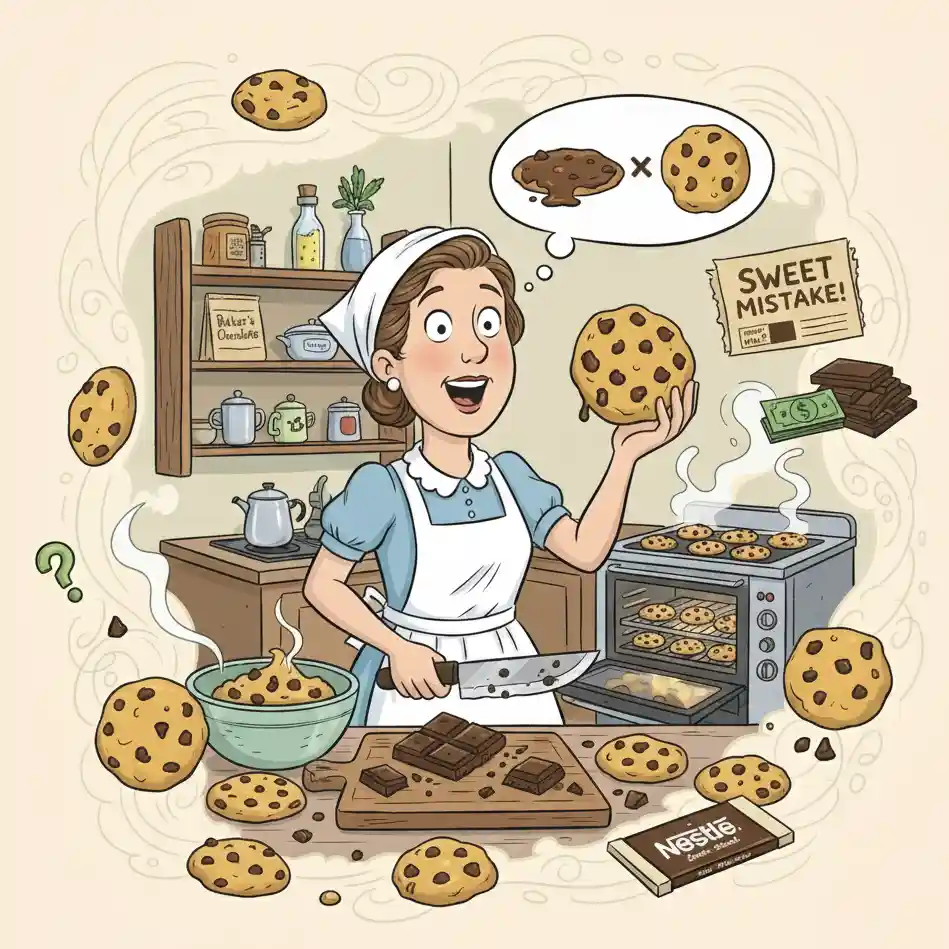
Chocolate Chip Cookies: The Sweetest Mistake
Discover how a busy baker running out of ingredients created the world's favorite cookie.
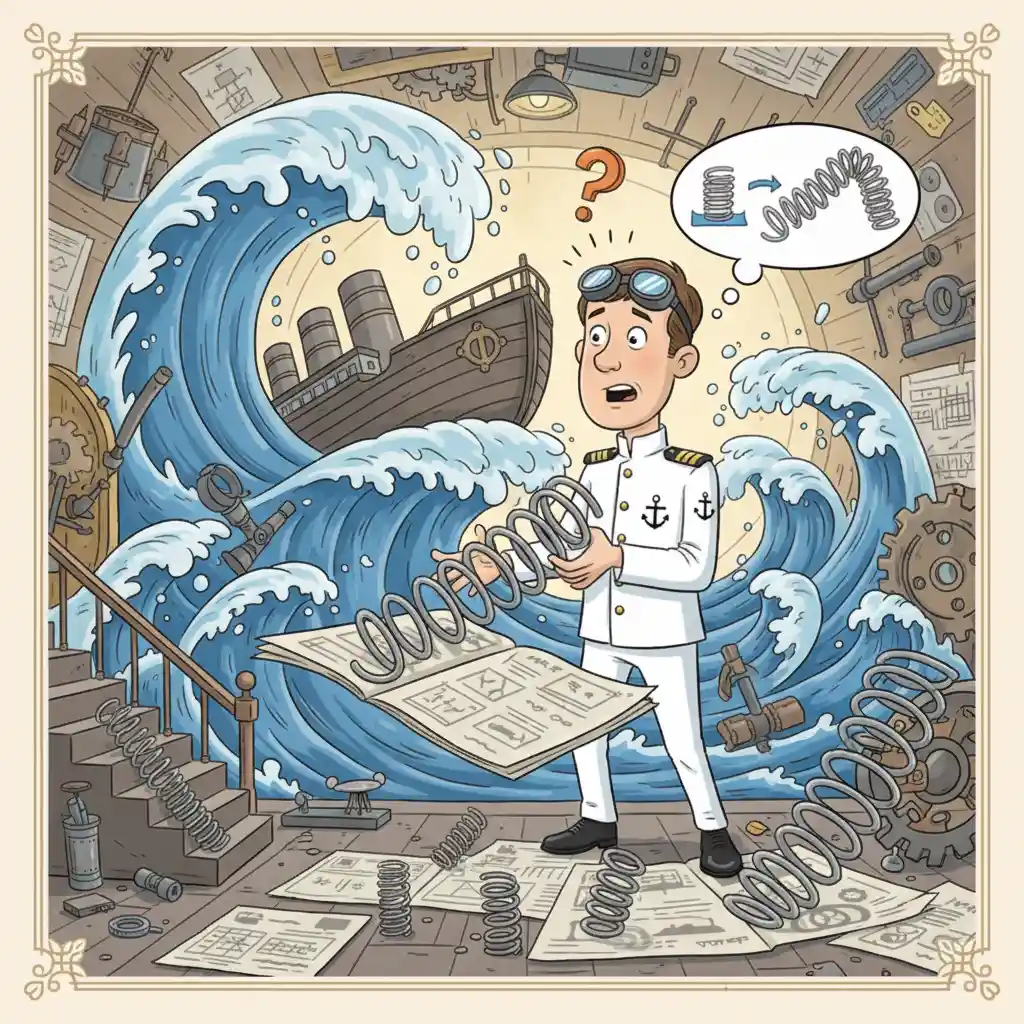
The Slinky: The Spring That Walked Away
How a naval engineer trying to save ships from crashing waves accidentally created a gravity-defying toy.
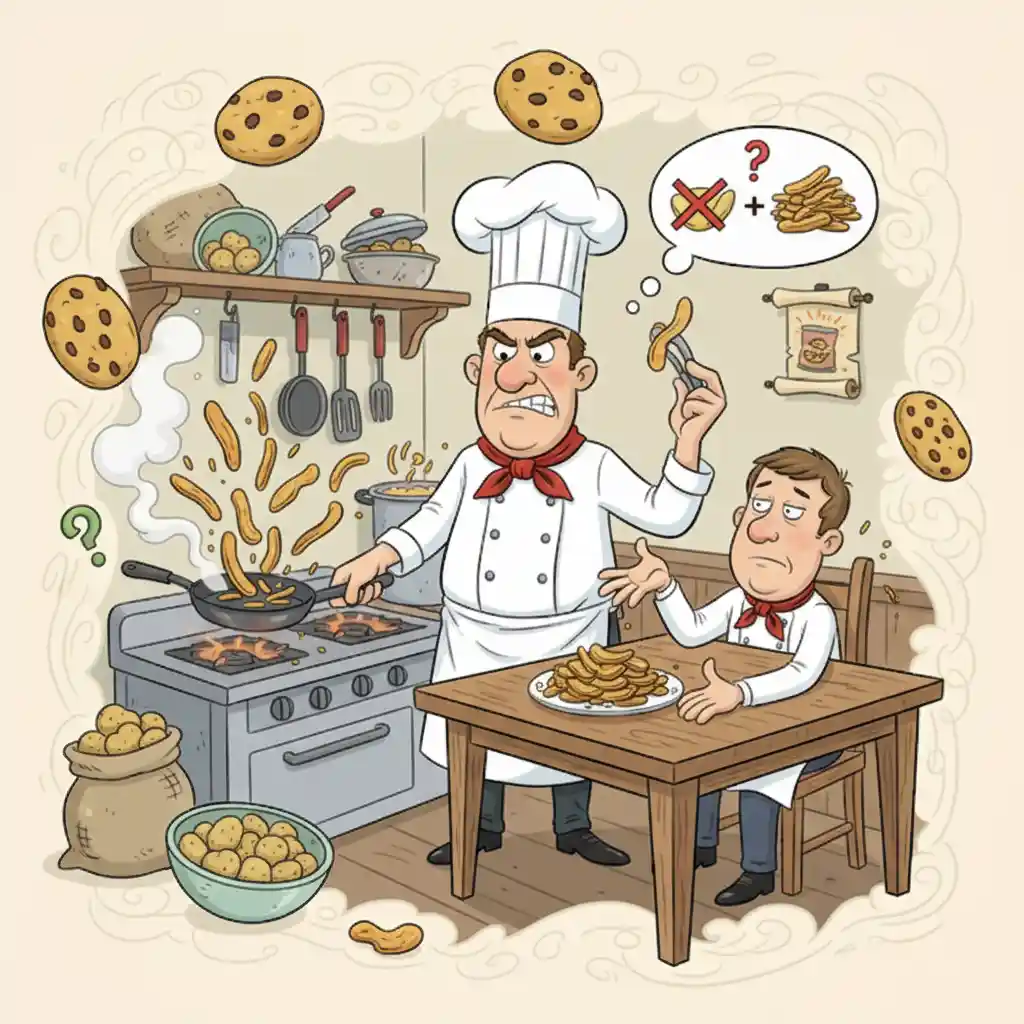
The Potato Chip: A Snack Born from Spite
How a cranky chef trying to play a prank on a picky eater accidentally invented the potato chip.
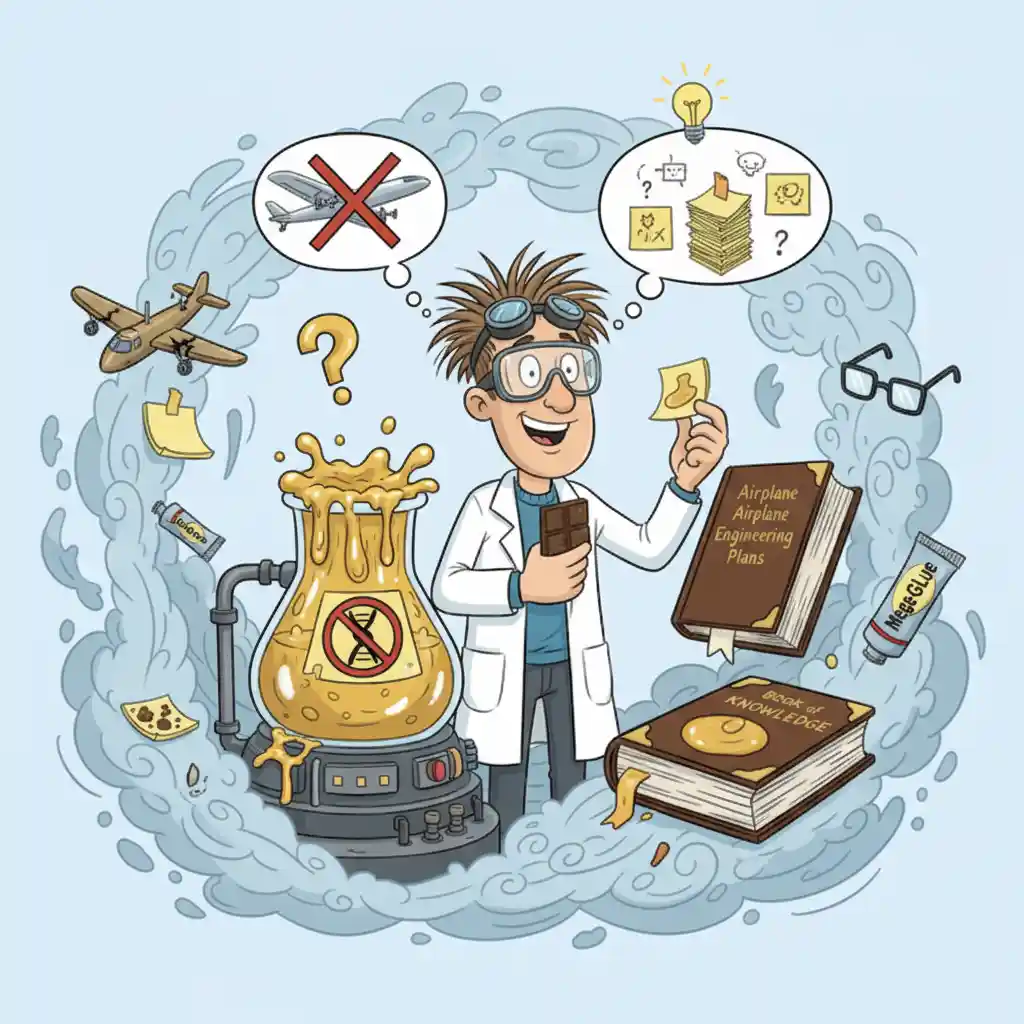
Post-it Notes: The Glue That Failed Upwards
How a scientist trying to build a super-strong airplane glue accidentally created a 'weak' adhesive that changed the world.
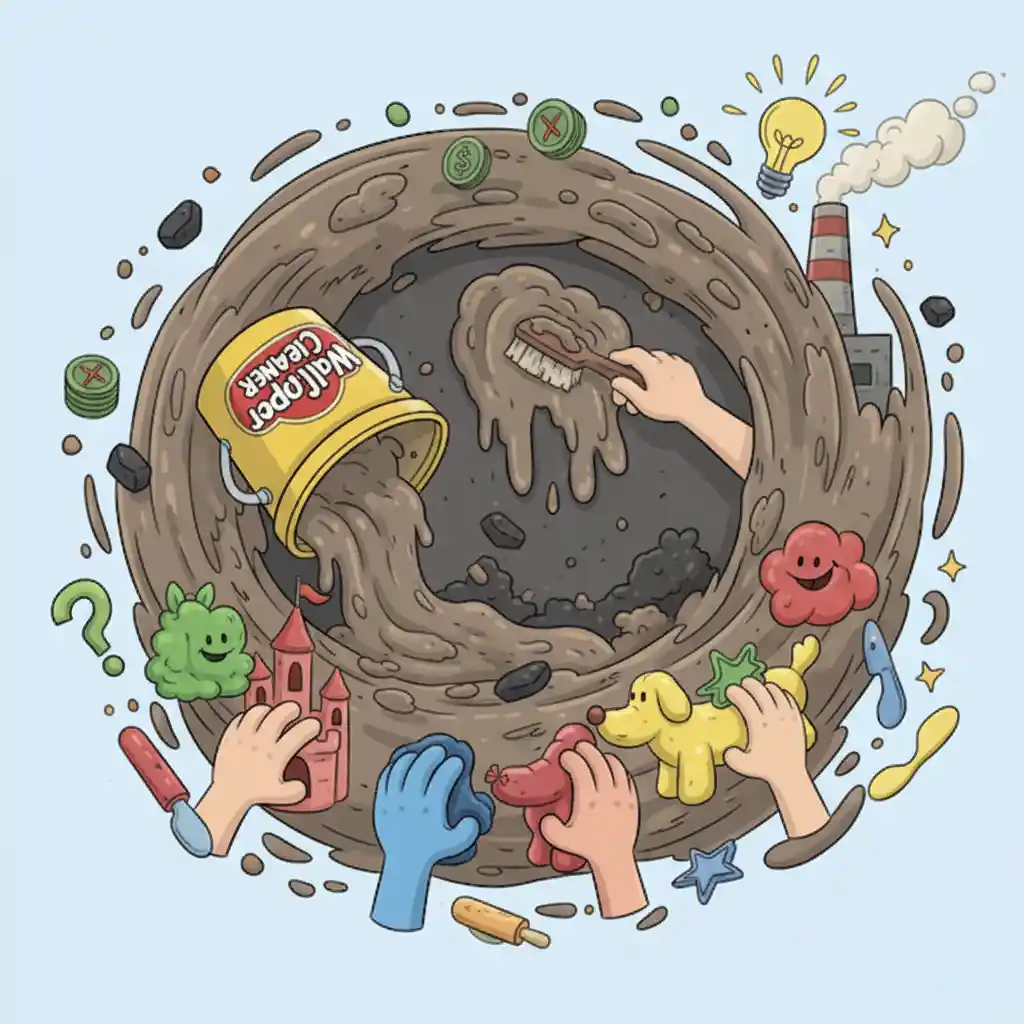
Play-Doh: The Wallpaper Cleaner That Wanted to Play
How a gooey compound used to clean coal soot off walls was saved from bankruptcy by a group of creative kindergarteners.
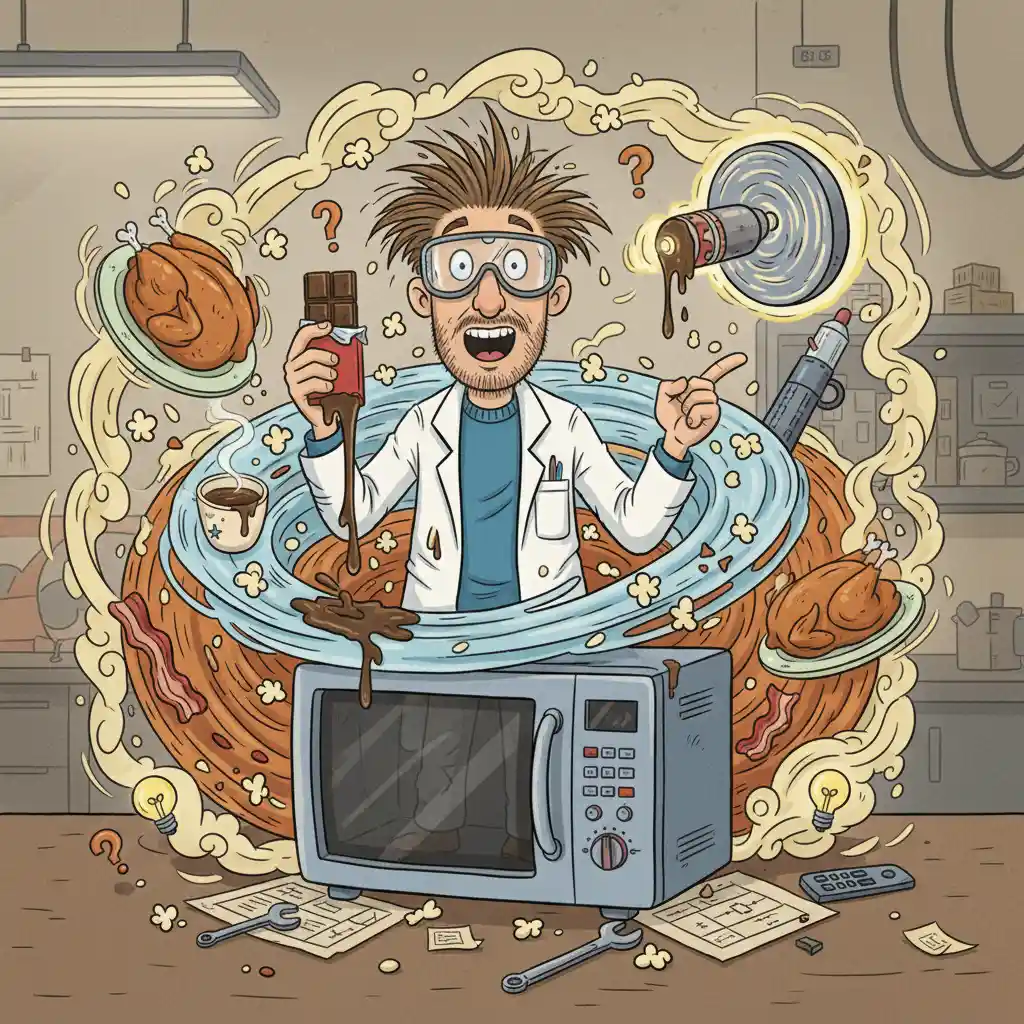
The Microwave: The Candy Bar That Melted the World
How a self-taught engineer working on military radar noticed his snack was melting and accidentally discovered a new way to cook food.
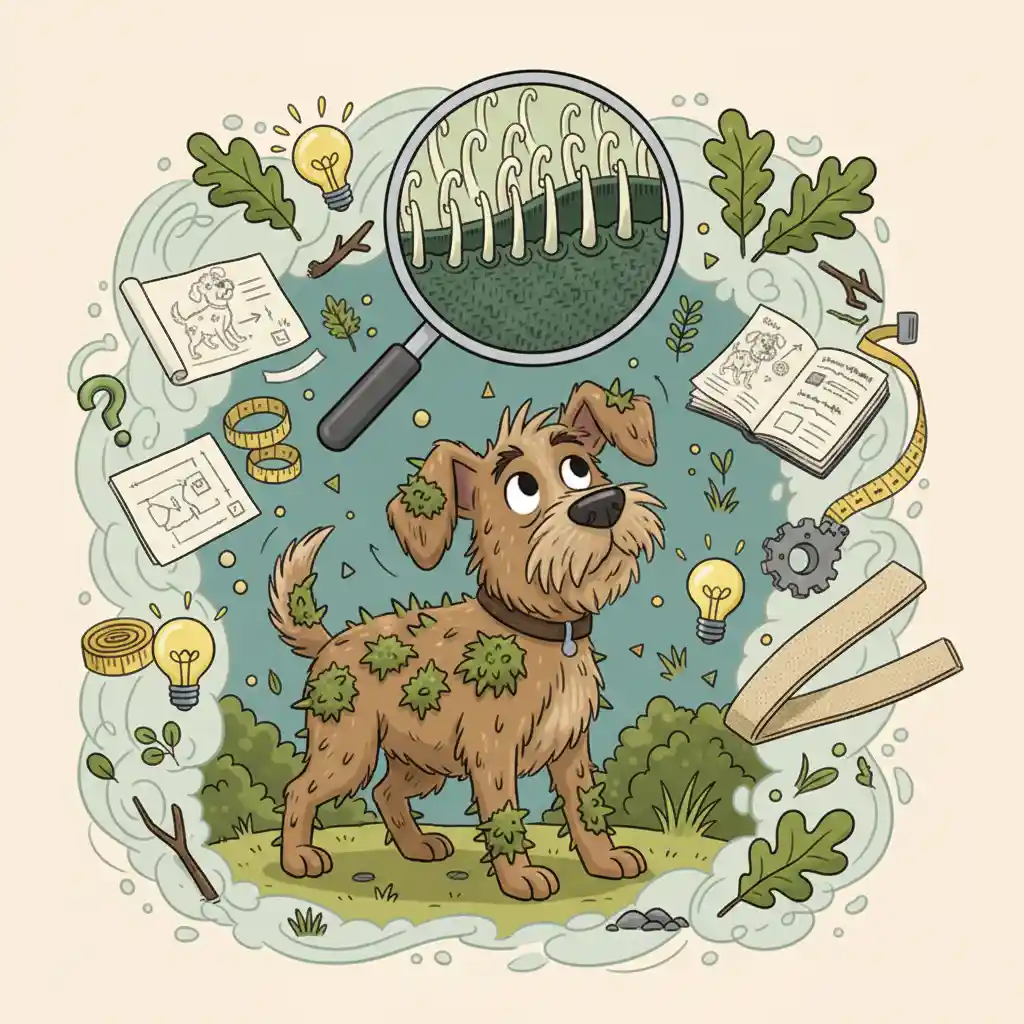
Velcro: The Dog, the Burrs, and the Hooked Revolution
How a simple walk in the woods with a dog led an engineer to discover nature's 'hidden' fastener.
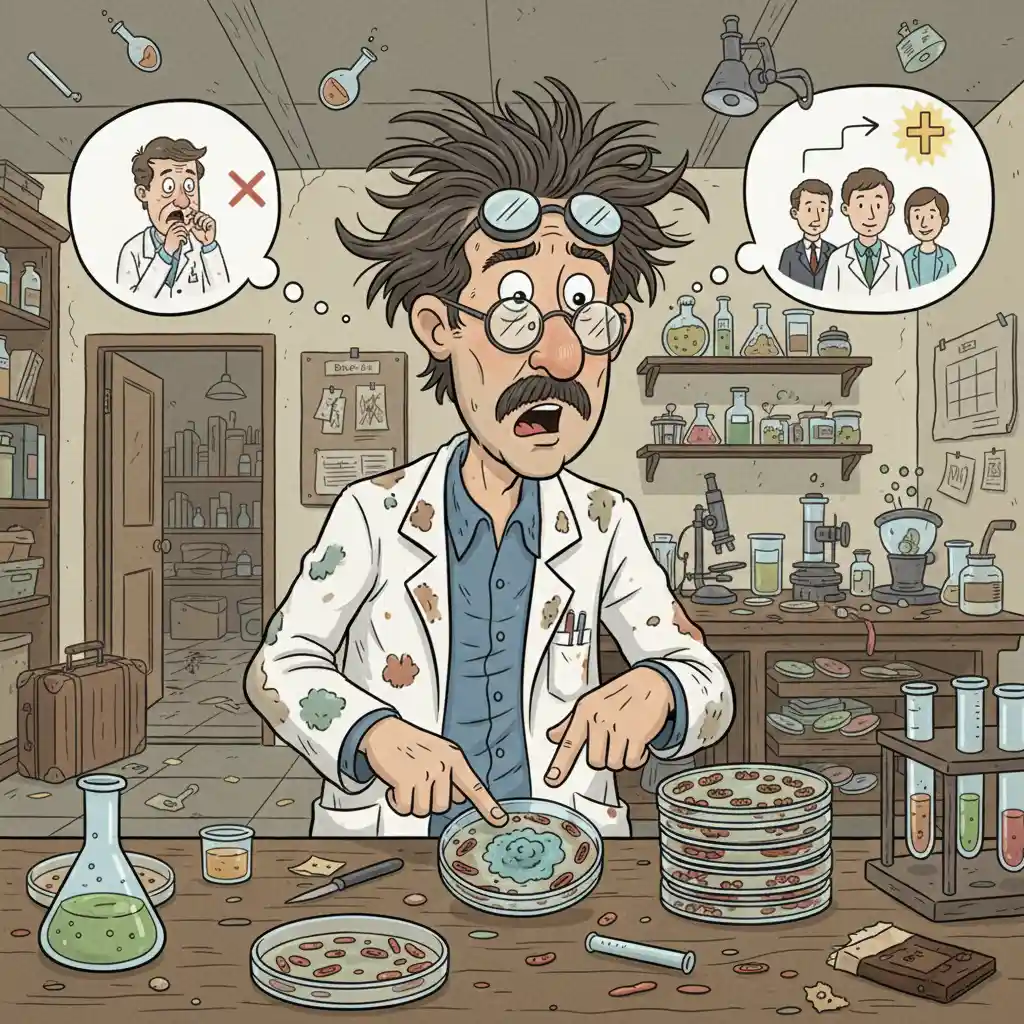
Penicillin: The Moldy Petri Dish That Saved Millions
How a messy scientist went on vacation and returned to find a 'killer mold' that would end the age of untreatable infections.
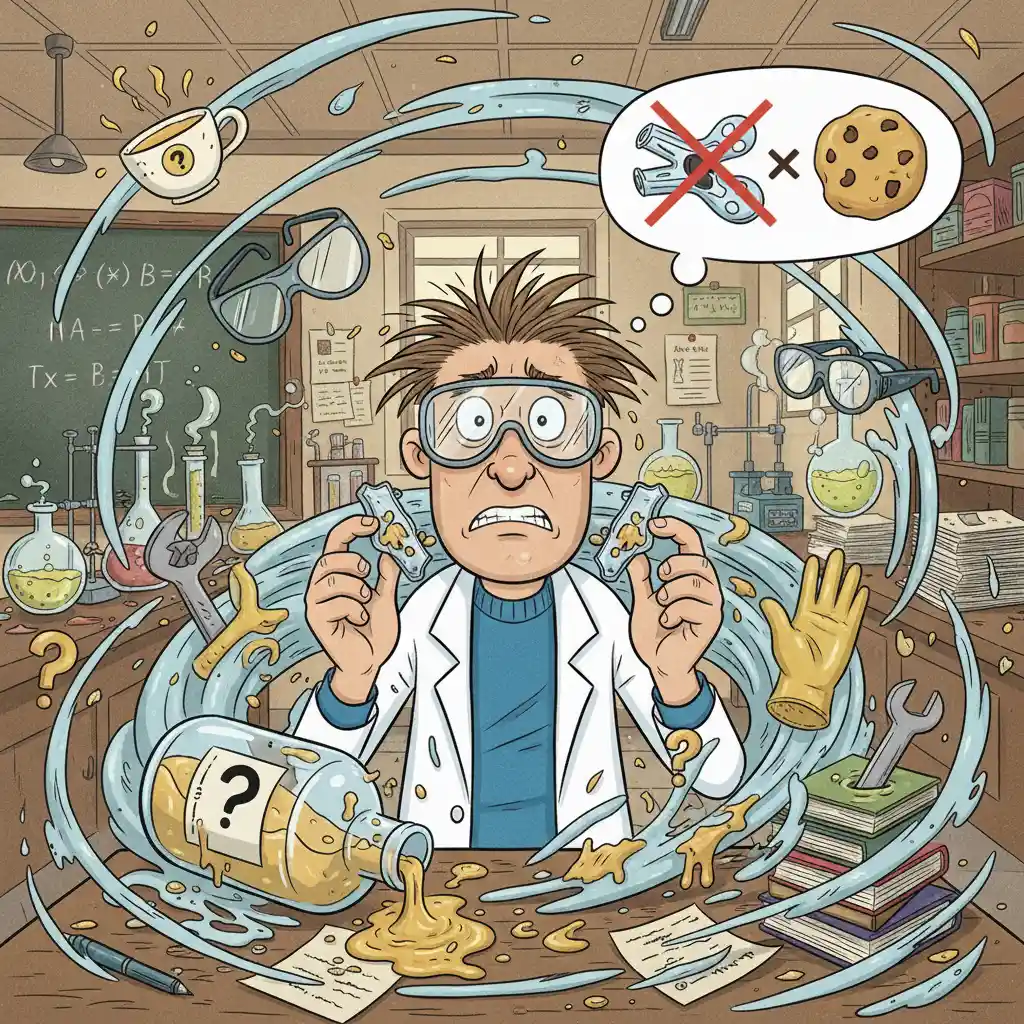
Super Glue: The Goo That Was Too Sticky to Exist
How a chemist trying to build plastic gun sights accidentally created a substance so sticky it was abandoned for years before becoming a household name.
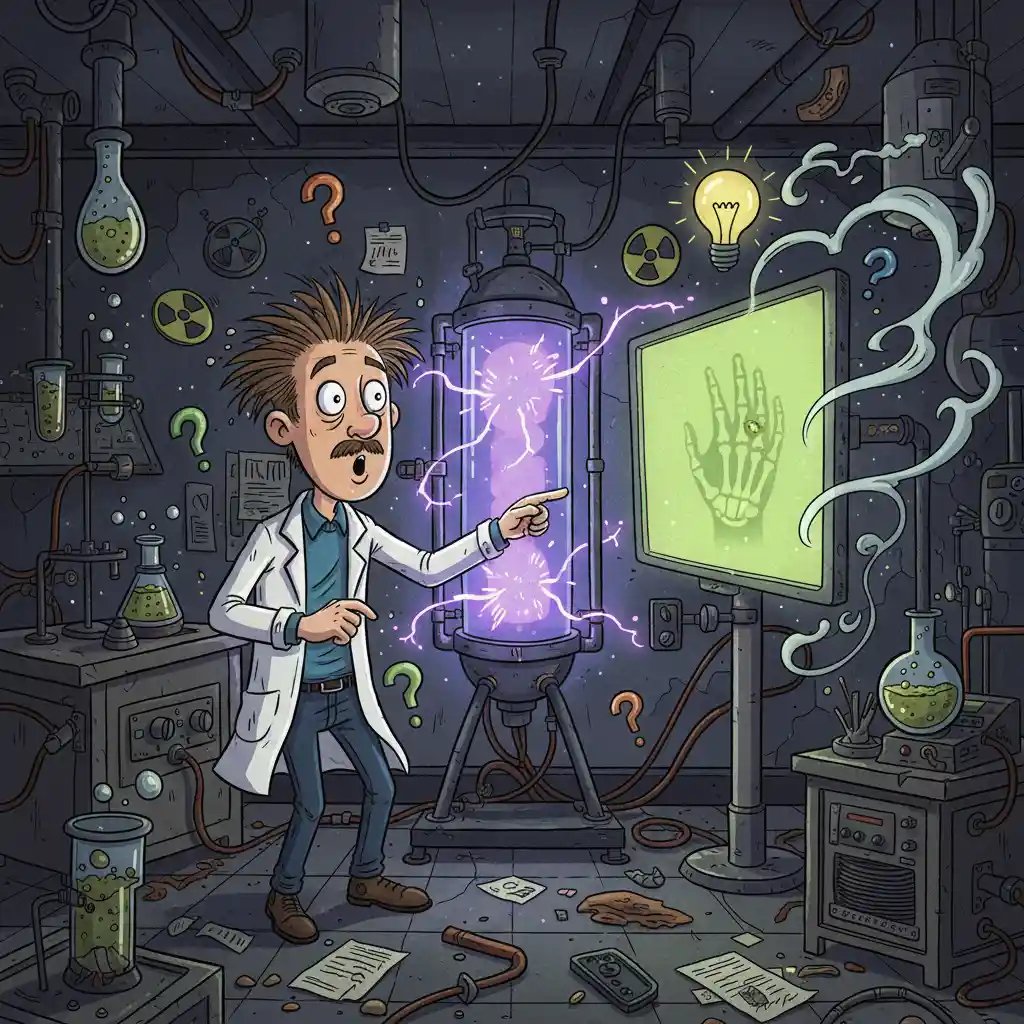
The X-Ray: The Ghostly Glow of the Invisible
How a physicist experimenting with electricity noticed a glowing screen across the room and accidentally discovered a way to see through solid objects.