
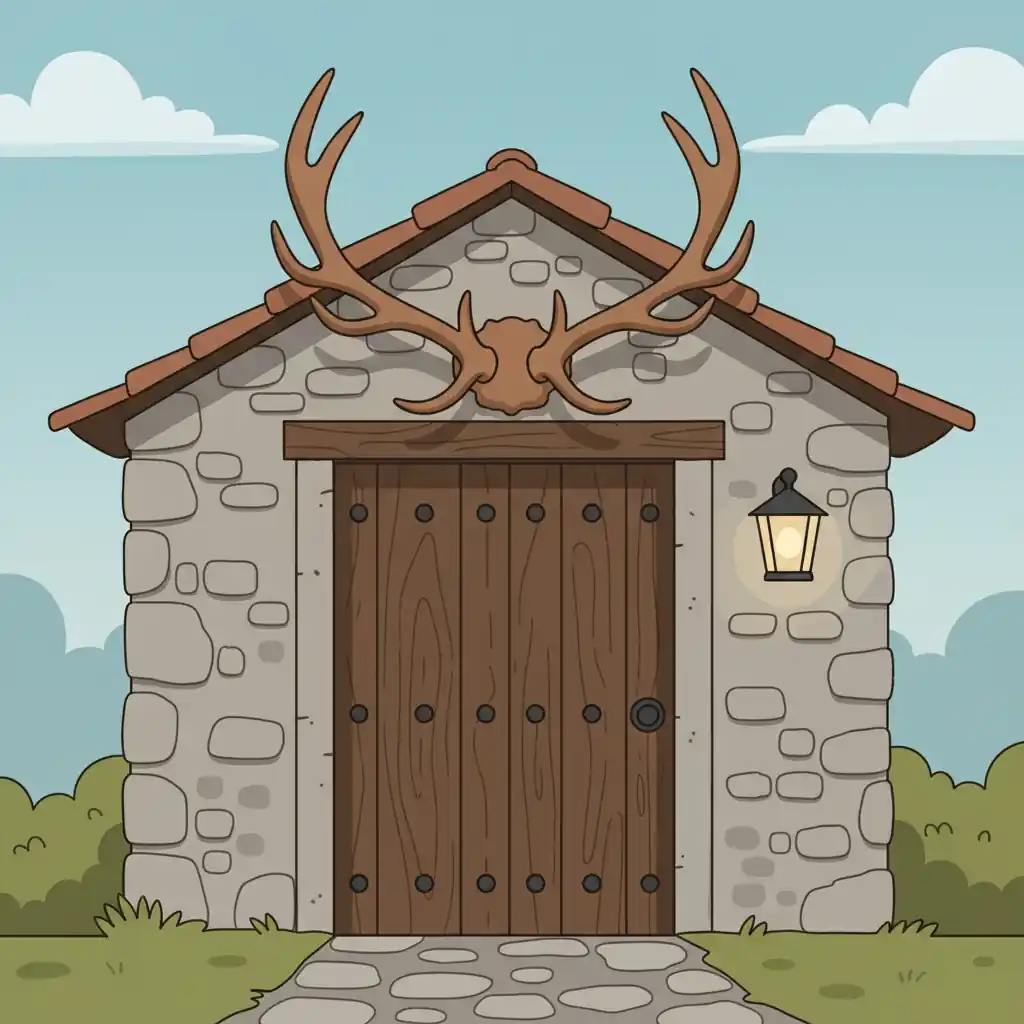
The Lord's Privilege
In a land carved by feudal lords, where power was absolute and common folk bowed low, a dark tradition once took root. Picture medieval Spain, a time when a lord’s word was law, his desires often unchecked.
Count Esteban ruled his fiefdom with an iron fist. He was a man of vast lands, grand castles, and an even grander ego. He loved hunting, feasting, and, most of all, having his way.
One autumn, after a particularly successful stag hunt, Esteban returned to his village. His men carried the magnificent carcass, its proud antlers held high. The villagers cheered, a forced show of loyalty.
Esteban, however, had another hunt in mind. He often cast his eyes on the wives of his tenants. It was a cruel custom, a brutal 'right' claimed by many lords of the era.
If a lord found a commoner's wife pleasing, he made his intentions known. He did not need to ask. He simply took.
When Esteban decided to spend time in a particular villager’s home, a chilling ritual would follow. A pair of the largest, most impressive stag horns from his hunt would be taken down to the village.
They wouldn’t be mounted in the castle hall. No. They would be nailed, with grim purpose, above the entrance of the chosen commoner’s humble cottage. A stark, undeniable sign for all to see.
This act was not a secret. It was a loud, public declaration. The horns were a warning to others: "This house, this woman, is presently under the lord’s 'attention.' Stay away."
It was a privilege claimed, a power asserted. A trophy not just from the forest, but from the hearth.
The Husband's Shame
Consider Pedro, a hardworking farmer. He woke before dawn, toiled in the fields under a relentless sun. He loved his wife, Maria, a kind woman with nimble hands and a gentle laugh. Their life was simple, but honest.
Then came the day the stag horns appeared above his door. Pedro saw them first light, glistening with morning dew. They were heavy, sharp, and carried the weight of a sentence.
His breath caught in his throat. His blood ran cold. He knew what they meant. Every man in the village knew.
The horns weren’t just a warning to others. They were a brand, seared onto his reputation. A public mark of ultimate betrayal.
His wife was not his own. His household was not his own. His dignity was gone.
What could Pedro do? To protest meant death. To confront the Count was unthinkable. A common man challenging a lord was a short path to the gallows.
So Pedro kept silent. He lowered his eyes when he walked through the village. He worked even harder, as if physical exhaustion could dull the inner pain.
The horns were a monument to his powerlessness. A constant, heavy presence mocking his very existence. Every time he entered his home, every time he left, they were there. Staring down. Judging him.
The Town's Gaze
The village wasn’t blind. Far from it. Everyone saw the horns on Pedro’s door. Everyone knew their grim meaning.
Children, innocent to the full horror, would point and comment. Adults would quickly pull them away, their faces etched with a mix of pity and fear.
When Pedro walked past the market, conversations would abruptly cease. Eyes would slide away. No one dared meet his gaze.
But the comments didn't stop. They intensified.
"Did you see the horns on Pedro's door?"