
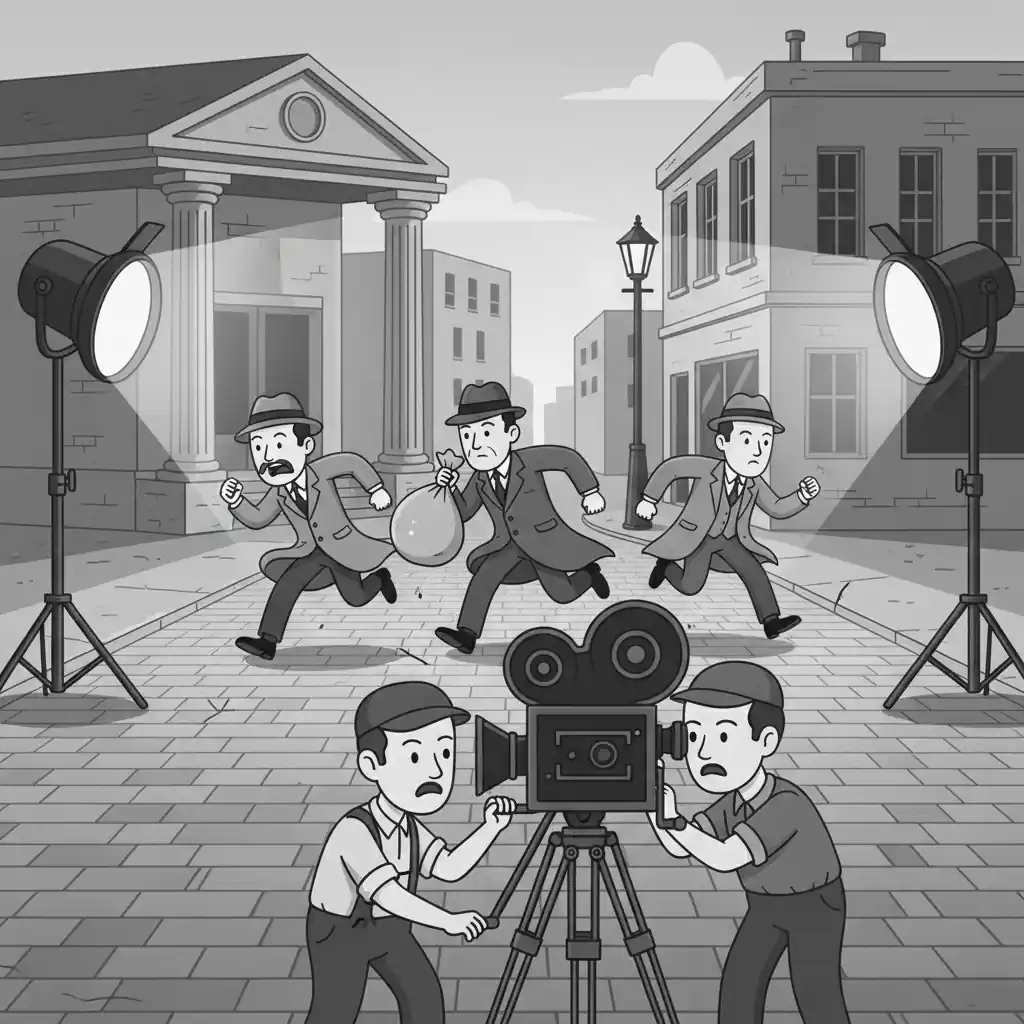
The Magic of Moving Pictures
Imagine a world without sound. A world where stories unfolded on a flickering screen, powered by a projector's rhythmic whir and the live music of a piano player.
This was the dawn of cinema, the era of silent films. It was a truly magical experience for audiences of the early 20th century.
Films were a brand new form of entertainment. They captivated millions, pulling them into grand adventures, tense dramas, and heartwarming romances.
But silent films had a unique challenge. They couldn't rely on dialogue to move the story or keep an audience engaged. Everything had to be shown.
They used exaggerated expressions, dramatic gestures, and 'intertitles'—text cards flashed on screen—to convey conversations and plot points.
This often meant the pacing could be, well, a little slow at times. Scenes lingered. Characters might stare into the distance for a moment too long.
Audience Patience Wears Thin
Early filmmakers learned quickly that while audiences loved stories, they loved action even more. Especially when those stories sometimes dragged.
Picture a typical silent film plot: a hero falls in love, a villain schemes, a misunderstanding occurs, and then… a lot of walking and talking via text cards.
Viewers would shift in their seats. They'd clear their throats. Some might even grumble, 'When is something going to happen?'
Filmmakers and producers knew this feeling well. They understood the audience craved excitement.
What kind of excitement? Think about what silent films did best: spectacle and movement.
And there was one particular type of scene that guaranteed to get everyone on the edge of their seats, no matter how dull the preceding twenty minutes had been.