
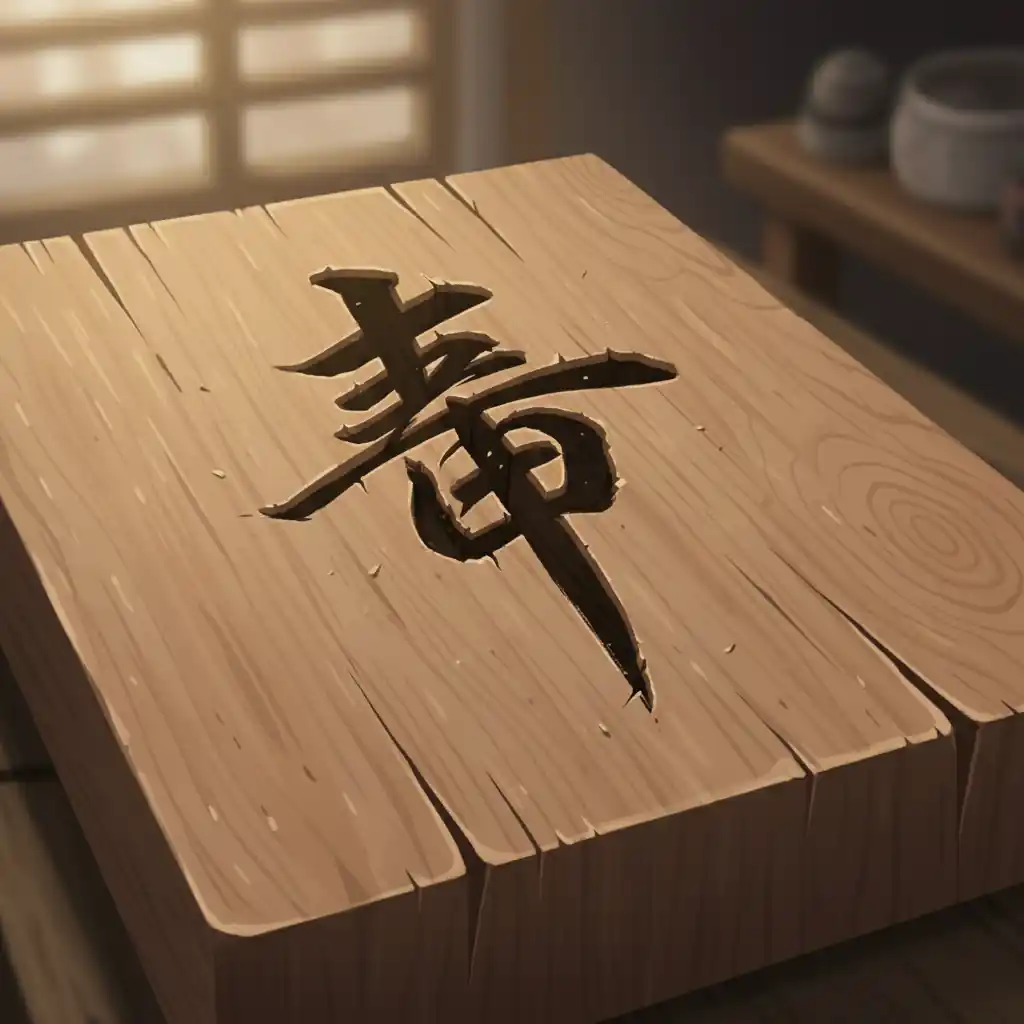
The Calligrapher King
In the Eastern Jin Dynasty, a name echoed through the courts and the quiet scholars' studies: Wang Xizhi. He wasn't a general or a minister. He was a calligrapher. But not just any calligrapher. He was the 'Sage of Calligraphy,' a man whose brushwork transcended mere writing and became pure art.
Wang Xizhi’s strokes were said to dance like dragons, glide like phoenixes, and flow like a serene river. His talent wasn't just recognized; it was revered. His handwriting was a treasure, copied by many, but never truly duplicated. His characters had a life of their own, breathing on the silk and paper they graced.
For the Emperor, every imperial decree, every important document, carried a weight far beyond its words. These weren't just messages; they were statements. They needed to convey authority, permanence, and the very spirit of the dynasty. And for such tasks, only Wang Xizhi’s brush would do.
The Royal Proclamation
One day, a particularly crucial imperial proclamation was needed. It was a decree of great significance, destined to be displayed prominently for all citizens to see and understand. This wasn't a paper scroll that would be filed away. This was a message meant to stand the test of time, etched into the public memory.
The Emperor decided it would be carved onto a large wooden plaque, then painted and erected in the capital square. This would ensure its message was clear, durable, and undeniable. But before the carvers could begin their work, the words themselves needed to be laid down by a master hand.
Naturally, the task fell to Wang Xizhi. The finest materials were prepared: a vast, smooth wooden board, meticulously planed and polished; a deep, rich ink, ground from the best pine soot; and his favorite brush, an extension of his very soul. The pressure was immense, but Wang Xizhi thrived on it.
The Stroke of Genius
Wang Xizhi approached the wooden board. He cleared his mind, his breath slowing, his gaze sharp and unwavering. This wasn't just ink on wood; it was the Emperor's will, the nation's heart, flowing through his brush. Every stroke had to be perfect, every character imbued with power and clarity.
He dipped his brush. With a focused intensity that seemed to draw all the energy from the room, he began to write. His hand moved with purpose, his arm muscles taut, channeling his entire being into the tip of the brush. The ink flowed, black and lustrous, forming bold, decisive characters across the smooth timber.
Each character was a masterpiece, perfectly balanced, full of vitality. He wrote with such conviction, such absolute dedication, that one could almost feel the weight behind each stroke. When he finally finished, he laid down his brush, a slight sheen of sweat on his brow, the board now alive with his powerful script.
The Carver’s Shock
The wooden board, now bearing Wang Xizhi's magnificent calligraphy, was carefully transported to the Imperial workshop. The master craftsmen, renowned for their skill with chisels and planes, were ready to begin the arduous task of carving the characters into the wood. This was painstaking work, requiring precision and patience.